The information on this website is general in nature and does not take into account your objectives, financial situation, or needs. Consider seeking personal advice from a licensed adviser before acting on any information.
Caravanning has seen a rise in popularity across Australia, with many discovering the joys of hitting the open road and exploring the vast landscapes that the country has to offer. From coastal trips to inland adventures, caravanning provides the flexibility and freedom that many travelers are seeking.
With this increase in popularity, there's also been a growing interest in eco-friendly caravanning. People are becoming more conscious of their environmental footprint and are looking for ways to reduce their impact while still enjoying their travels.
Sustainable travel is crucial not just for preserving the beauty of our natural surroundings, but also for ensuring that future generations can enjoy the same experiences. By adopting eco-friendly practices, caravanners can contribute to the conservation of the environment and promote a greener way of exploring the world.
The Environmental Impact of Traditional Caravanning
Energy Consumption and Carbon Emissions
Traditional caravanning often relies on older, less efficient vehicles which consume significant amounts of fuel. These vehicles emit large quantities of carbon dioxide and other greenhouse gases, contributing to climate change.
The energy required to power the amenities within caravans, such as heating, cooling, and cooking appliances, can also be substantial. This often leads to increased use of fossil fuels and higher carbon footprints.
Waste Generation and Improper Disposal
Travellers using traditional caravans may generate a considerable amount of waste, from food packaging to disposable plates and utensils. These items often end up in landfills or, worse, improperly disposed of in natural environments.
Improper waste management can lead to pollution, harming the local flora and fauna and reducing the aesthetic appeal of natural camping sites.
Impact on Natural Habitats and Wildlife
Traditional caravanning can also disturb natural habitats and local wildlife. Setting up camp in sensitive areas can lead to soil erosion, vegetation damage, and disturbance to animals’ natural behaviours.
The presence of large numbers of caravans and vehicles can lead to habitat fragmentation, making it difficult for wildlife to thrive.
Benefits of Eco-Friendly Caravanning
Reduced Carbon Footprint and Environmental Preservation
One of the primary benefits of eco-friendly caravanning is the reduction of your carbon footprint. By adopting sustainable practices, such as using solar panels for power and choosing more fuel-efficient vehicles, you can significantly cut down on greenhouse gas emissions.
Eco-friendly caravanning also encourages the conservation of natural resources, helping to preserve the beautiful landscapes and wildlife that travelers come to enjoy. This means you can relish in the beauty of your surroundings while knowing you're doing your part to protect them.
Cost Savings on Fuel, Utilities, and Maintenance
Sustainable practices in caravanning can lead to substantial cost savings. Using energy-efficient appliances and renewable energy sources like solar power can reduce your reliance on traditional utilities, lowering electricity and fuel costs.
Additionally, eco-friendly caravans are often built with durable, long-lasting materials that require less maintenance and repair. This can save you money in the long term and reduce the inconvenience of frequent upkeep.
Enhanced Connection with Nature and Improved Mental Well-Being
Eco-friendly caravanning promotes a greater connection with nature. By minimizing your impact on the environment, you can enjoy more pristine surroundings and have a richer travel experience.
This deeper connection with nature can have profound effects on your mental well-being. Studies have shown that spending time outdoors and in natural settings can reduce stress, improve mood, and enhance overall mental health.
How to Make Your Caravan Eco-Friendly
Energy-Efficient Appliances and Solar Power Systems
Investing in energy-efficient appliances can significantly reduce the amount of power your caravan consumes. Look for products with high energy star ratings to ensure they use less electricity without compromising on performance.
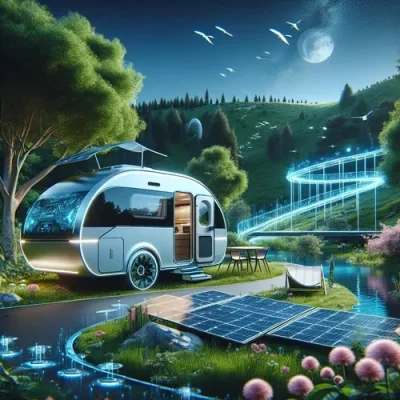
Solar power systems are another excellent way to make your caravan eco-friendly. Installing solar panels on the roof of your caravan can provide a renewable source of energy, reducing your reliance on fossil fuels. This not only lowers your carbon footprint but also saves on electricity costs in the long run.
Water-Saving Fixtures and Greywater Recycling
Water conservation is vital when aiming for eco-friendly caravanning. Installing water-saving fixtures, such as low-flow showerheads and faucets, can help reduce the amount of water you use.
Greywater recycling systems can further enhance your water efficiency. These systems collect water from sinks and showers to be reused for other purposes, like flushing toilets or watering plants. This practice minimizes waste and makes your water usage more sustainable.
Use of Sustainable and Recycled Materials
Choosing sustainable and recycled materials for your caravan can reduce your environmental impact. Opt for furniture and fixtures made from bamboo or reclaimed wood, which are both eco-friendly options.
Additionally, consider using recycled materials for other caravan modifications. Many companies offer products made from repurposed materials, such as insulation from recycled plastics or flooring from reclaimed rubber.
By making these eco-friendly choices, you not only help preserve natural resources but also create a unique and sustainable living space within your caravan.
Practices for Sustainable Caravan Travel
Minimizing Waste and Proper Disposal
One of the key practices for sustainable caravan travel is minimizing waste and ensuring proper disposal. By reducing the amount of waste you generate, you can help protect the environment and keep natural spaces clean.
Start by choosing reusable items over disposables. For example, use reusable plates, cups, and utensils instead of single-use options. This simple change can significantly reduce the amount of waste you create on your travels.
Be mindful of how you dispose of your waste. Always separate recyclables from general waste and make use of recycling facilities available at campgrounds and caravan parks. When disposing of organic waste, consider composting if facilities are available.
Choosing Eco-Friendly Caravan Parks and Campgrounds
Selecting eco-friendly caravan parks and campgrounds can greatly enhance your sustainable travel efforts. Look for parks that have implemented green initiatives such as solar power, water-saving systems, and recycling programs.
Many eco-friendly campgrounds also have policies in place to protect the surrounding environment, such as reduced-impact camping practices and designated wildlife areas. Supporting these facilities not only helps reduce your environmental impact but also encourages other businesses to adopt sustainable practices.
Supporting Local and Sustainable Businesses
Supporting local and sustainable businesses during your travels is another important aspect of eco-friendly caravanning. By purchasing goods and services from local vendors, you can contribute to the local economy and reduce the carbon footprint associated with transporting goods over long distances.
Look for businesses that prioritize sustainability, such as local farmers' markets, eco-friendly shops, and restaurants that source their ingredients locally. These businesses often have a smaller environmental impact and provide unique, high-quality products.
By making conscious choices to support sustainable businesses, you help promote environmental stewardship and encourage others to follow suit.
The Role of Caravan Insurance in Eco-Friendly Travel
Importance of Choosing Green Insurance Options
When it comes to eco-friendly caravanning, one aspect often overlooked is the choice of insurance. Selecting green insurance options is important because it aligns your travel practices with your environmental values. These policies often come with added benefits such as coverage for eco-friendly modifications and replacements.
Green insurance providers are also more likely to invest in sustainable practices themselves. This means that the premiums you pay are put towards initiatives that further environmental goals, making your entire travel experience more sustainable.
Overview of Coverage Options for Eco-Friendly Caravans
Eco-friendly caravans often come with features such as solar panels, water-saving systems, and energy-efficient appliances. It's important to ensure these features are adequately covered by your insurance policy. Look for policies that offer extended coverage for these eco-friendly enhancements.
In addition, some green insurance options provide benefits such as coverage for sustainable repairs and replacements using recycled or eco-friendly materials. This not only helps maintain the eco-friendliness of your caravan but can also reduce the overall environmental impact of claims.
Tips for Finding the Best Eco-Conscious Insurance Providers
Finding the best eco-conscious insurance providers requires a bit of research. Start by looking for insurers who are known for their commitment to sustainability. Check their websites for information on their environmental policies and initiatives.
Reading reviews and testimonials from other eco-friendly caravanners can also provide valuable insights. These reviews often highlight the experiences of other customers in dealing with claims and the overall service quality of the insurer.
Lastly, consider reaching out directly to insurance providers to ask specific questions about their green policies and coverage options. This proactive approach can help you find a policy that truly supports your eco-friendly travel lifestyle.
Conclusion
Recap of the Benefits of Eco-Friendly Caravanning
Eco-friendly caravanning offers numerous benefits, from reducing your carbon footprint to saving money on fuel and utilities. By adopting sustainable travel practices, you contribute to the preservation of natural habitats and wildlife, enhance your connection with nature, and improve your mental well-being.
Making your caravan eco-friendly with energy-efficient appliances, solar power systems, and sustainable materials ensures that you enjoy your travels with minimal environmental impact.
We encourage you to embrace eco-friendly caravanning and incorporate sustainable practices into your travel routine. Simple steps such as minimizing waste, using water-saving fixtures, and supporting local sustainable businesses can make a significant difference.
Your efforts in choosing eco-friendly travel options not only benefit the environment but also set a positive example for other travelers and future generations.
Take the first step towards eco-friendly caravanning today. Explore the various options available for making your travels more sustainable, from eco-conscious caravan modifications to green insurance providers.
By doing so, you ensure that your adventures are not only enjoyable but also environmentally responsible. Join the movement towards a greener future and help preserve the beauty of Australia’s landscapes for years to come.
Published: Monday, 2nd Dec 2024
Author: Paige Estritori



No comments yet. Be the first to share your thoughts.