The information on this website is general in nature and does not take into account your objectives, financial situation, or needs. Consider seeking personal advice from a licensed adviser before acting on any information.
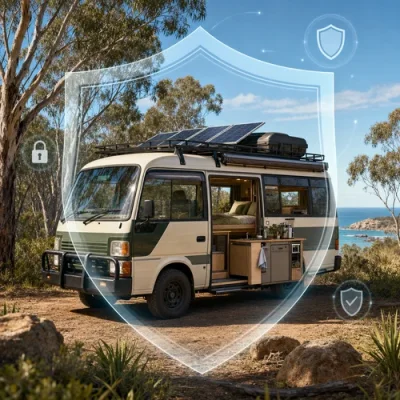
Owning a converted van or bus is a dream for many adventurous Australians. It offers freedom, mobility, and the chance to explore the great outdoors with the comfort of home on wheels. However, with this unique lifestyle comes specific responsibilities, one of which is ensuring your beloved vehicle is adequately insured.
Imagine this: you're cruising along the stunning coast of Queensland in your beautifully converted van when suddenly, an unexpected accident occurs. You call your insurer, only to find out that your policy doesn't cover the specific modifications you've made. Such a situation can turn your dream adventure into a costly nightmare.
This article will guide you through the importance of insuring a converted van or bus in Australia. We will explore the specific challenges owners face and provide expert tips on what to look for when choosing an insurance policy. Whether you're just starting your conversion journey or have been living the van life for years, understanding your insurance needs is crucial for peace of mind on the road.
Understanding Converted Vehicle Insurance
Definition of "converted van" and "converted bus"
A converted van or bus is a standard vehicle that has been adapted for different uses, often transforming it into a mobile home. This process can include adding living facilities such as beds, kitchens, and bathrooms, along with other custom modifications to enhance your on-the-road living experience.
Due to these significant alterations, converted vehicles are categorised differently from typical cars or buses. These modifications make it essential to obtain insurance specifically designed for converted vehicles, as standard vehicle insurance may not cover the full value of your home-on-wheels.
Differences from standard vehicle insurance policies
Converted vehicle insurance differs from standard policies in several ways. One major difference is the need to cover not just the vehicle's original structure but also the value added by modifications. With specialised coverage, you can protect the investment you’ve made in customising your van or bus.
In addition, coverage for personal belongings, which isn't typically included in standard car insurance, becomes a crucial aspect to consider. Converted vehicle insurance often addresses these needs by offering options to protect the interior furnishings and any additional living features you've installed.
Key components of a converted vehicle insurance policy
When insuring your converted van or bus, certain key components of the policy are particularly important. Comprehensive coverage should include protection for both the base vehicle and the custom modifications. You'll want to ensure that the total insured value reflects the enhancements made during conversion.
Look for policies that offer replacement cost coverage for belongings and modifications, as well as liability protection for any accidents or damages that occur while travelling or parked. Access to roadside assistance and emergency accommodations may also be beneficial, providing peace of mind as you travel across Australia.
Types of Insurance for Converted Vans and Buses
Comprehensive Insurance: What It Covers
Comprehensive insurance is essential for the converted van or bus owner who wants peace of mind. This type of coverage extends beyond the basics, protecting your vehicle against various risks such as theft, vandalism, and natural disasters. Not only does it cover the original structure of your vehicle, but it also includes the modifications that make your van or bus unique.
Moreover, comprehensive insurance typically offers coverage for damage sustained from non-collision incidents, such as fire or severe weather, giving you confidence that both your vehicle’s form and function are safeguarded. When choosing a comprehensive policy, it's crucial to ensure that the sum insured adequately reflects the total value of your modified vehicle, including all added features.
Third-Party Insurance: Benefits and Limitations
Third-party insurance provides a more basic level of coverage than comprehensive insurance. It covers the costs if you're liable for damage to someone else's property because of an accident involving your converted van or bus. This type of insurance is a legal requirement in Australia and essential for covering liabilities in accidents.
However, third-party insurance comes with limitations. It does not cover damage to your own vehicle, nor does it address theft or vandalism. For owners of converted vans and buses, relying solely on third-party insurance can be risky, as it doesn't account for the special modifications and personal attachments you've invested in.
Optional Add-Ons and Their Relevance
In addition to standard insurance types, optional add-ons can enhance your converted vehicle's coverage. These can include roadside assistance, which provides support in the event of a breakdown or emergency, ensuring you're not left stranded during your travels.
Another valuable add-on is coverage for personal belongings, which protects the items inside your van or bus, from kitchen appliances to camping gear. Legal expense coverage is another option, offering financial protection against potential legal costs. By selecting relevant add-ons, you ensure your policy fits the unique lifestyle of a converted van or bus owner.
Factors Affecting Insurance Premiums
The Impact of Vehicle Modifications
When it comes to converted vans and buses, modifications are a primary factor influencing insurance premiums. The extent and type of modifications can significantly affect the risk assessment by insurers. Vehicles with extensive customisations, such as added living amenities, are valued higher, which can increase the premium due to the increased cost to repair or replace such modifications.
Additionally, certain modifications can impact the safety and performance of the vehicle, altering how the insurer perceives the associated risks. For instance, structural changes could affect the vehicle's stability or safety in the event of an accident, potentially leading to higher premiums.
Your Driving History and How It Influences Premiums
Your personal driving history plays a crucial role in determining your insurance premiums. A history of accidents or traffic violations suggests higher risks to insurers, often resulting in higher premiums. Conversely, a clean driving record can help secure lower rates, as it indicates a lower likelihood of future claims.
For owners of converted vehicles, demonstrating safe and responsible driving habits is particularly important, given the unique challenges and handling characteristics of these vehicles compared to standard cars or buses.
Geographic Factors: Where You Live and Travel
The location of your residence and your travel destinations can also influence the cost of insurance premiums for your converted van or bus. Areas with higher crime rates may result in increased premiums due to the heightened risk of theft or vandalism.
Furthermore, if you frequently travel through regions prone to extreme weather conditions or natural disasters, insurers might adjust your premium to account for these increased risks. It's important to consider these geographic factors when selecting a suitable insurance policy for your vehicle.
Steps to Insure Your Converted Van or Bus
Documenting Your Modifications and Vehicle Details
The first step in insuring your converted van or bus is thorough documentation. This includes keeping a detailed record of all modifications and any additional features added to your vehicle. Take clear photographs of both the exterior and interior, focusing on custom installations like kitchens, beds, or unique storage solutions.
Gather invoices, receipts, and any other documentation related to the conversion process. Having detailed records helps provide a clear picture of your vehicle's full value and verifies the cost of your modifications, ensuring that you receive appropriate coverage and compensation should the need arise.
Comparing Quotes from Different Insurers
Once your documentation is in order, it's time to compare insurance quotes. Different insurers might offer varying levels of coverage and pricing, so obtaining multiple quotes is crucial. Consider both price and the specific coverage details, such as how modifications and personal items are insured.
Useful tools such as insurance comparison websites can aid in evaluating proposals side by side, allowing you to assess which options best suit your needs. Don't hesitate to ask insurers directly about their policies on converted vehicles to ensure all aspects of your van or bus are protected.
Finalising the Policy and Reading the Fine Print
After you've selected an insurance plan, take the time to review the policy thoroughly before finalising. Pay close attention to the fine print to understand issues like coverage limits, exclusions, and any specific conditions affecting your policy. Knowing these details prevents surprises in the event of a claim.
Clarify any doubts with your insurer; ensure you are comfortable with all aspects of your coverage. Once satisfied, finalise the policy, putting your mind at ease knowing your converted van or bus is insured against potential risks as you embark on your adventures.
Top Tips for Cost-Effective Insurance
Ways to Reduce Premiums Without Sacrificing Coverage
Finding cost-effective insurance for your converted van or bus means balancing affordability with adequate coverage. One effective way to reduce premiums is by bundling policies. If you have other insurance needs, such as home or contents insurance, consider purchasing them from the same provider to possibly secure a multi-policy discount.
Additionally, maintaining a good driving record continues to be a significant factor in reducing premiums. Safe driving not only helps avoid additional premiums due to accidents or violations but may also earn you a no-claims bonus, further lowering your insurance costs.
Another way is to shop around and regularly review your policy to ensure it still meets your needs at the best price. Be open to negotiating with your insurer-sometimes, simply asking for a better rate can yield savings.
The Role of Security Features and Their Benefits
Incorporating security features into your converted van or bus can significantly lower insurance premiums. Insurers often provide discounts for vehicles equipped with advanced security measures such as alarms, immobilisers, or tracking devices. These features reduce the risk of theft or damage, which insurers appreciate.
Consider installing deadbolts or additional locks on entry points and investing in a GPS tracking system. Not only do these improvements make your vehicle more secure, but they also provide peace of mind when you're travelling or parked in less secure areas.
Considerations for Increasing Your Excess
Increasing your excess-the amount you agree to pay out of pocket in the event of a claim-can be another strategic move to reduce your insurance premiums. While this means more out-of-pocket costs in the event of a claim, it can significantly lower your premiums, increasing affordability.
Before raising your excess, consider your financial ability to cover it if needed. Ensure that your budget can comfortably accommodate the excess, avoiding financial strain in case of an accident. Balancing a higher excess with the savings on premiums could be beneficial, especially if you have a history of infrequent claims.
Common Pitfalls and How to Avoid Them
Overlooking Policy Exclusions
One of the most common pitfalls when insuring a converted van or bus is overlooking policy exclusions. Insurance policies often have specific conditions and exemptions that can leave you vulnerable if not addressed properly. For example, certain types of damage or incidents might not be covered under standard policies, particularly those that involve off-road travel or natural disasters.
To prevent surprises during a claim, thoroughly review all exclusions listed in your policy document. Understanding what's not covered allows you to proactively seek additional coverage or make informed decisions regarding your travel plans. Don't hesitate to discuss these exclusions with your insurer to clarify any uncertainties.
Not Updating Your Insurer with Changes
Another mistake is failing to update your insurer with changes to your converted vehicle. Whether it's a new modification or a change in usage, such as starting to live in your converted bus full-time, it's crucial to inform your insurer. These changes might affect your policy terms or the amount of coverage required.
Regularly update your policy information to ensure that you're adequately covered. Keeping your insurer informed helps avoid potential disputes during claims and ensures your insurance needs are accurately met.
Failing to Declare All Modifications
Failing to declare all modifications is a significant oversight that can invalidate your insurance policy. Each adjustment, whether mechanical or aesthetic, should be reported, as they contribute to the overall value and safety profile of your vehicle. Comprehensive documentation and disclosure prevent coverage gaps and support the accurate assessment of your policy premiums.
When you add new modifications, promptly notify your insurer and provide documentation. This transparency ensures your insurance protection aligns with the true value of your converted van or bus, safeguarding your investments against unforeseen future claims.
Conclusion: Peace of Mind on the Road
Insuring your converted van or bus is crucial in protecting your investment and ensuring peace of mind during your travels. Understanding the distinct nature of converted vehicle insurance compared to standard policies helps you choose the right coverage for your needs.
Considerations such as comprehensive coverage, the impact of modifications, and your driving history play significant roles in your insurance costs and coverage adequacy. By focusing on these aspects, you can better navigate the insurance landscape tailored to your unique lifestyle as a converted vehicle owner.
Don't wait for a mishap to highlight the gaps in your insurance. Take proactive steps to secure your converted van or bus today. Whether you're embarking on a new adventure or already living the van life, ensuring comprehensive insurance coverage means less worry and more freedom to explore.
Review your current insurance policy, document your vehicle's specifications, and reach out to multiple insurers to compare options. Taking these steps will empower you to make informed decisions, safeguarding your travels and investments alike.
Published: Saturday, 23rd Aug 2025
Author: Paige Estritori



No comments yet. Be the first to share your thoughts.